What is a Nurse Pocket Guide?
A Nurse Pocket Guide is a compact, portable resource for nursing professionals, offering essential clinical guidelines and medication information for daily patient care․
Definition and Purpose
A Nurse Pocket Guide serves as a readily accessible, condensed compilation of crucial clinical data designed specifically for nurses․ Its primary purpose is to provide a quick reference tool, streamlining patient care by offering essential guidelines, diagnostic insights, and medication details at the point of need․
These guides encompass autonomous and collaborative care principles, supporting nurses across all ages, families, and communities, whether they are promoting wellness, preventing illness, or caring for those who are sick, disabled, or nearing the end of life․
Acting as unsung heroes in healthcare, nurses rely on these guides to navigate complex situations efficiently․ The compact format ensures portability, allowing access to vital information in diverse settings – from bustling hospital floors to emergency response scenarios․ Ultimately, a Nurse Pocket Guide empowers nurses to deliver safe, effective, and informed care․
History and Evolution of Pocket Guides
Nurse Pocket Guides haven’t always existed in their current form․ Initially, nurses relied on larger, less portable textbooks and relied heavily on institutional protocols․ The need for immediate access to critical information during patient care spurred the development of condensed references․
Early iterations were often handwritten notes or small, self-made booklets containing frequently used dosages and algorithms․ As nursing practice became more standardized and specialized, the demand for comprehensive, yet concise, guides grew․
The late 20th and early 21st centuries saw the rise of commercially produced pocket guides, like the Doenges Nurses Pocket Guide, offering standardized nursing diagnoses and readily available data; Today, the evolution continues with digital editions and mobile apps, providing dynamic, updated information at nurses’ fingertips, reflecting the ever-changing landscape of healthcare․
Target Audience: Who Uses These Guides?
Nurse Pocket Guides are invaluable tools for a broad spectrum of nursing professionals․ Primarily, they serve registered nurses (RNs) in diverse clinical settings – hospitals, clinics, and community health centers – providing quick access to essential information during direct patient care․
Nursing students heavily utilize these guides as a learning aid, bridging the gap between theoretical knowledge and practical application․ Licensed practical nurses (LPNs) and vocational nurses also benefit from the condensed, readily available data․
Furthermore, advanced practice registered nurses (APRNs), including nurse practitioners and clinical nurse specialists, find them useful for rapid reference․ Essentially, any healthcare professional involved in patient assessment, medication administration, or diagnostic interpretation can benefit from the portability and comprehensive nature of a Nurse Pocket Guide․

Core Content of a Nurse Pocket Guide
Core content includes nursing diagnoses, medication details with dosages, normal lab value ranges, and crucial medical abbreviations – all presented for quick clinical reference․
Nursing Diagnoses: An Alphabetical Listing
A cornerstone of any effective Nurse Pocket Guide is a comprehensive, alphabetically organized listing of nursing diagnoses․ This feature provides rapid access to essential information needed during patient assessment and care planning․ Each diagnosis is typically presented in a standardized format, ensuring consistency and ease of use for busy healthcare professionals․
Crucially, each entry includes a clear definition of the diagnosis, outlining the clinical problem it addresses․ Defining characteristics are detailed, helping nurses identify the specific signs and symptoms that support the diagnosis․ Related factors, or the etiology of the problem, are also included, providing insight into the underlying causes․ Finally, desired outcomes – measurable criteria for evaluating the effectiveness of interventions – complete the profile․
This structured approach allows nurses to quickly understand the diagnosis, assess the patient’s presentation, and develop appropriate care plans, ultimately improving patient outcomes and streamlining workflow․
Medication Information: Dosage & Administration
A vital component of a Nurse Pocket Guide is a readily accessible section dedicated to medication information, focusing on dosage and administration guidelines․ This section serves as a critical reference point, minimizing errors and ensuring patient safety during medication management․ Information is typically presented in a concise, easy-to-read format, optimized for quick lookup in clinical settings․
Essential details included for each medication often encompass standard dosages for various patient populations, routes of administration, potential side effects, and crucial contraindications․ Some guides also incorporate information on drug interactions and necessary monitoring parameters․ Clear presentation of this data is paramount, often utilizing tables or bullet points for enhanced readability․
Having this information at their fingertips empowers nurses to confidently and accurately administer medications, contributing to positive patient outcomes and reducing the risk of adverse events․
Laboratory Values: Normal Ranges
A cornerstone of any comprehensive Nurse Pocket Guide is a dedicated section outlining normal laboratory values․ This resource provides nurses with quick access to reference ranges for common blood tests, urine analyses, and other diagnostic assessments, facilitating accurate interpretation of patient results․ These values are essential for identifying potential abnormalities and guiding clinical decision-making․
Typically, these guides categorize values by system – hematologic, metabolic, electrolyte, and so forth – for easy navigation․ Normal ranges are often presented in tabular format, clearly distinguishing between adult, pediatric, and geriatric populations where applicable․ Understanding these ranges is crucial for recognizing deviations that may indicate underlying health issues․
Quick access to this information allows nurses to promptly recognize critical values requiring immediate attention, ultimately improving patient care and safety․
Common Medical Abbreviations & Terminology
A vital component of any effective Nurse Pocket Guide is a comprehensive list of common medical abbreviations and terminology․ Healthcare is rife with shorthand, and a readily available reference ensures clear communication and minimizes potential errors․ This section serves as a quick decoder for frequently used terms encountered in patient charts, medication orders, and interprofessional discussions․
These guides typically include abbreviations for medications (e․g․, PO, IV, BID), diagnostic tests (e․g․, CBC, ECG), and common medical conditions (e․g․, CHF, COPD)․ Definitions of key medical terms, presented in a concise and understandable manner, are also essential․
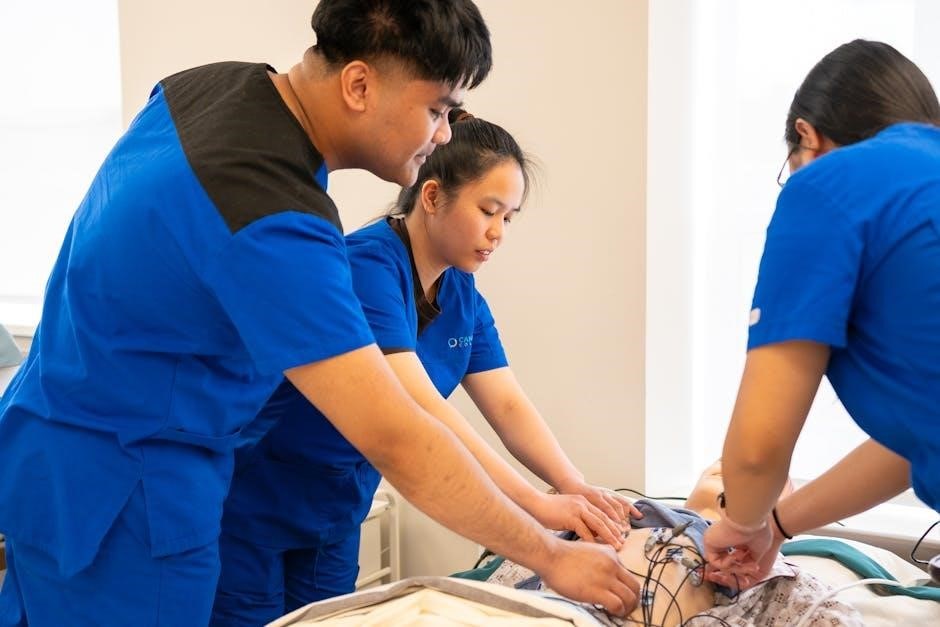
Having this information at their fingertips allows nurses to quickly interpret medical documentation, reducing ambiguity and promoting patient safety․

Essential Clinical Tools & Assessments
Nurse Pocket Guides integrate crucial tools like BLS algorithms, the Glasgow Coma Scale, pain assessment scales, and fluid balance calculation formulas for rapid reference․
Basic Life Support (BLS) Algorithms
Nurse Pocket Guides frequently dedicate significant space to outlining Basic Life Support (BLS) algorithms, recognizing their critical importance in emergency situations․ These condensed algorithms provide a step-by-step visual and textual guide for healthcare professionals to follow during cardiac arrest or other life-threatening events․
Typically, these sections will detail the sequence of actions, starting with initial assessment, activating emergency response systems, performing chest compressions, delivering rescue breaths, and utilizing automated external defibrillators (AEDs)․ The guides often include flowcharts or diagrams to simplify complex procedures, ensuring quick comprehension and efficient execution under pressure․
Pocket guides emphasize the importance of high-quality chest compressions – adequate depth and rate – and minimizing interruptions․ They also provide guidance on airway management and recognizing the signs of return of spontaneous circulation (ROSC)․ Having these algorithms readily available in a pocket guide allows nurses to confidently and consistently apply life-saving interventions․
Glasgow Coma Scale (GCS)
Nurse Pocket Guides consistently include a detailed explanation and scoring chart for the Glasgow Coma Scale (GCS)․ This neurological assessment tool is vital for evaluating the level of consciousness in patients with brain injuries or altered mental status; The GCS objectively measures a patient’s response in three key areas: eye-opening, verbal response, and motor response․
Pocket guides present the GCS as a simple table, outlining the specific criteria for each score within each category․ This allows nurses to quickly and accurately assess a patient’s condition and track changes over time․ The total GCS score, ranging from 3 to 15, provides a standardized measure of neurological function․
Guides often include interpretations of GCS scores, categorizing the severity of impairment (mild, moderate, severe)․ This information aids in clinical decision-making and communication among healthcare team members, ensuring consistent patient care․
Pain Assessment Scales
Nurse Pocket Guides dedicate significant space to pain assessment tools, recognizing pain management as a crucial aspect of patient care․ These guides typically feature several scales to accommodate diverse patient populations and clinical settings․ Commonly included is the Numeric Rating Scale (NRS), where patients rate their pain on a 0-10 scale․
For patients unable to verbally communicate, guides present the Wong-Baker FACES Pain Rating Scale, utilizing facial expressions to represent varying levels of discomfort․ Pediatric pain assessment is also addressed, often including the FLACC scale (Face, Legs, Activity, Cry, Consolability) for infants and young children․
Pocket guides emphasize the importance of comprehensive pain assessment, including location, quality, and alleviating/aggravating factors․ They provide quick reference guides for interpreting scale results and initiating appropriate pain management interventions․
Fluid Balance Calculations
Nurse Pocket Guides consistently include sections dedicated to fluid balance calculations, vital for managing patients with various conditions․ These guides provide quick reference formulas for calculating intake and output, crucial for assessing hydration status and kidney function․ Common calculations featured include determining hourly urine output, assessing fluid deficits or excesses, and calculating intravenous (IV) fluid rates․
Guides often present simplified formulas for calculating maintenance fluid requirements based on weight, ensuring appropriate hydration․ They also include conversions between different units of measurement (e․g․, milliliters to liters) to minimize errors․
Emphasis is placed on understanding the clinical significance of fluid balance imbalances, prompting nurses to recognize signs of dehydration or fluid overload and initiate timely interventions․

Specialized Sections & Considerations
Nurse Pocket Guides often feature specialized sections addressing pediatric dosages, geriatric care, emergency protocols, and crucial infection control guidelines․
Pediatric Dosage Calculations
Pediatric dosage calculations represent a critical, yet often complex, component within a comprehensive Nurse Pocket Guide․ Due to significant physiological differences between children and adults, accurate medication administration relies heavily on weight-based calculations․ These guides provide essential formulas and conversion tables, simplifying the process of determining safe and effective dosages for various medications․
Furthermore, they often include age-specific considerations and cautionary notes regarding potential adverse effects unique to pediatric patients․ A well-structured guide will clearly delineate methods for calculating dosages in milligrams per kilogram (mg/kg), ensuring nurses can confidently and accurately administer medications to infants, children, and adolescents․ The inclusion of readily accessible information minimizes the risk of medication errors, ultimately enhancing patient safety and promoting optimal healthcare outcomes for young individuals․
Geriatric Considerations
Geriatric considerations are a vital section within any thorough Nurse Pocket Guide, acknowledging the unique physiological changes experienced by older adults․ These changes significantly impact drug metabolism, renal function, and overall health status, necessitating careful adjustments in medication administration and patient care․ Guides dedicated to geriatric care often highlight age-related polypharmacy risks, emphasizing the importance of medication reconciliation and minimizing potential drug interactions․
Furthermore, they provide insights into common geriatric syndromes like delirium, falls, and pressure ulcers, offering quick reference guides for assessment and intervention․ A comprehensive section will also address cognitive impairment and sensory deficits, guiding nurses in effective communication and individualized care planning․ Prioritizing these considerations ensures safe, effective, and compassionate care for the aging population․
Emergency Situations: Quick Reference
Emergency Situations: Quick Reference sections are paramount in a Nurse Pocket Guide, providing immediate guidance during critical events․ These sections distill complex protocols into concise, actionable steps for rapid response․ Essential content includes algorithms for cardiac arrest, anaphylaxis, and airway obstruction, often utilizing visual aids for clarity․
Pocket guides frequently feature dosage charts for emergency medications like epinephrine and atropine, alongside guidelines for managing acute respiratory distress and severe allergic reactions․ Information on recognizing stroke symptoms and initiating appropriate interventions is also crucial․ The goal is to empower nurses with the knowledge to confidently and efficiently manage life-threatening situations until advanced care arrives, ultimately improving patient outcomes․
Infection Control Protocols
Infection Control Protocols are a vital component of any comprehensive Nurse Pocket Guide, safeguarding both patients and healthcare professionals․ These sections offer a condensed overview of standard precautions, including proper hand hygiene techniques – detailing when and how to perform effective handwashing and utilize alcohol-based sanitizers․
Guides typically outline the appropriate use of Personal Protective Equipment (PPE), such as gloves, gowns, masks, and eye protection, based on anticipated exposure risks․ Information on transmission-based precautions (contact, droplet, airborne) is also included, alongside guidelines for safe handling of sharps and disposal of biohazardous waste․ Adherence to these protocols minimizes the spread of infections within healthcare settings, promoting a safer environment for all․

Formats and Accessibility
Nurse Pocket Guides are available in paperback and convenient digital editions, including mobile apps, ensuring easy access to crucial information anywhere, anytime․
Paperback vs․ Digital Editions
Traditional paperback Nurse Pocket Guides offer a tactile experience and don’t rely on battery life or internet connectivity, proving invaluable in areas with limited technology access․ Their durability withstands the rigors of a clinical setting, and annotation is straightforward․ However, they can be bulky and require periodic updates via new editions․
Digital editions, including mobile apps, provide instant access to the latest information, searchable databases, and often include interactive features like dosage calculators․ These formats are lightweight and can store a vast amount of data․ Updates are typically delivered automatically, ensuring accuracy․ The downside includes dependence on device battery and potential compatibility issues, alongside the need for reliable internet for initial download and updates․
Ultimately, the best format depends on individual preferences and work environment needs, with many nurses utilizing both for comprehensive support․
Mobile App Availability
Numerous Nurse Pocket Guide applications are readily available for both iOS and Android devices, transforming essential clinical information into a highly accessible, portable format․ These apps often mirror the content of traditional paperback guides, including nursing diagnoses, medication details, and crucial reference materials․

Key advantages of mobile apps include rapid search functionality, offline access to downloaded content, and integrated tools like dosage calculators and conversion charts․ Many apps also feature customizable settings, allowing nurses to tailor the interface to their specific needs and preferences․ Regular updates ensure the information remains current and aligned with evolving clinical practice․
Popular apps frequently offer features like medication interaction checkers and disease management protocols, enhancing patient safety and streamlining workflow․ The convenience and efficiency of mobile apps make them an increasingly vital resource for modern nursing professionals․
Updates and Revisions: Keeping Information Current
Maintaining accuracy is paramount for Nurse Pocket Guides, given the dynamic nature of medical knowledge and clinical practice․ Regular updates and revisions are therefore crucial to ensure nurses have access to the most reliable and evidence-based information․
Publishers typically release new editions of paperback guides periodically, incorporating changes in drug formularies, treatment protocols, and diagnostic criteria․ Digital versions, including mobile apps, offer a distinct advantage in this regard, allowing for more frequent and immediate updates․
These updates can include medication alerts, revised laboratory value ranges, and modifications to clinical guidelines․ Nurses should always verify the publication date or version number to confirm they are using the latest edition․ Continuous professional development and staying abreast of current literature are also essential complements to utilizing updated pocket guides․

The Global Nursing Landscape
Globally, there are approximately 29 million nurses and 2․2 million midwives, with a projected shortage of 4․5 million nurses by 2030․
Worldwide Nursing Workforce Statistics (as of 2025/2026)
As of late 2025 and early 2026, the worldwide nursing workforce stands at an estimated 29․8 million professionals, encompassing both registered nurses and licensed practical nurses․ This figure includes approximately 2․2 million midwives globally, highlighting the crucial role nurses play in reproductive health․ However, despite this substantial number, significant disparities exist in nursing availability across different regions․
Recent data indicates a concerning trend: a projected shortfall of 4․5 million nurses by the year 2030․ This shortage is particularly acute in countries within Africa and South-East Asia, where healthcare systems are already strained․ The State of the World’s Nursing 2025 report by the WHO underscores these challenges, emphasizing the need for increased investment in nursing education and retention strategies to address the growing global demand․
Projected Nursing Shortages (2030)
By the year 2030, the world faces a critical shortage of healthcare professionals, with nursing being particularly affected․ Current projections estimate a global deficit of 4․8 million nurses and midwives․ This alarming statistic, highlighted by the World Health Organization (WHO), underscores the urgent need for proactive measures to bolster the nursing workforce․
The most significant gaps in nursing availability are anticipated in regions like Africa and South-East Asia, where existing healthcare infrastructure is already under considerable strain․ Factors contributing to this shortage include an aging nursing population, insufficient investment in nursing education, and challenging working conditions․ Addressing this impending crisis requires collaborative efforts from governments, healthcare institutions, and educational bodies to attract, train, and retain qualified nursing personnel․

Regional Disparities in Nursing Availability

Significant disparities exist globally in the availability of nurses, creating unequal access to healthcare․ While some regions boast a sufficient nursing workforce, others struggle with critical shortages․ Recent data, as reported in the State of the World’s Nursing 2025 report, reveals substantial differences between countries and continents․
Developed nations generally have a higher nurse-to-population ratio compared to developing countries․ Africa and South-East Asia are particularly vulnerable, facing the most significant gaps in nursing personnel․ These regions often lack the resources to adequately train and retain nurses, leading to an exodus of healthcare professionals seeking better opportunities elsewhere․ Addressing these imbalances requires targeted investments in nursing education, improved working conditions, and international collaborations to support nursing development in underserved areas․