GE appliance manuals offer clear instructions for safely utilizing the self-cleaning cycle, simplifying oven maintenance and ensuring optimal performance.
Download manuals online for convenient access to operating and cleaning guidelines, including self-clean features, for various GE oven models.
Self-cleaning ovens minimize effort, while manuals detail preparation steps, cycle options, and post-clean procedures for a sparkling, hassle-free result.
What is a Self-Cleaning Oven?
Self-cleaning ovens, like those from GE, utilize extremely high temperatures – significantly hotter than typical baking – to incinerate food residue into ash. This process, detailed in your GE oven’s instruction manual, eliminates the need for manual scrubbing and harsh chemical cleaners.
The manual explains that during the self-clean cycle, the oven door automatically locks for safety, and the interior reaches temperatures capable of breaking down baked-on spills and grease. After the cycle completes and the oven cools, only a small amount of ash remains, easily wiped away.
GE manuals emphasize understanding the specific self-clean features of your model for optimal and safe operation;
Benefits of a Self-Cleaning Feature
According to GE oven manuals, the self-cleaning feature offers significant convenience, eliminating strenuous scrubbing and the need for abrasive cleaning products. This saves valuable time and effort for homeowners, as detailed in the operating instructions.
Manuals highlight that self-cleaning minimizes exposure to harsh chemicals, creating a healthier kitchen environment. Furthermore, it effectively removes baked-on grease and food particles that are difficult to address with traditional methods.
GE emphasizes in its manuals that regular use of the self-clean cycle can prolong the life of your oven.

Understanding Your GE Oven Model
GE manuals stress locating your oven’s model number for accurate instructions and parts ordering, ensuring proper self-cleaning cycle operation.
Download the specific owner’s manual online for detailed guidance on your GE oven’s features and controls, including self-clean settings.
Locating the Model Number
Identifying your GE oven’s model number is crucial for accessing the correct owner’s manual and specific self-cleaning instructions. This number allows you to download tailored guidance from the GE Appliances website, ensuring compatibility with your appliance’s features.
Typically, the model number is found on a label located in one of several places: inside the oven frame, around the oven door opening, or on the back panel of the appliance. Carefully inspect these areas to locate the alphanumeric code. Having this information readily available streamlines troubleshooting and ensures accurate cleaning procedures.
Downloading the Owner’s Manual
GE Appliances provides convenient access to owner’s manuals through their official website, enabling you to download a digital copy for your self-cleaning oven. This eliminates the need to physically store a paper manual and ensures you always have the latest instructions at your fingertips.
Simply navigate to the GE Appliances support section and enter your oven’s model number. The website will then display the corresponding manual, which you can easily download as a PDF. This resource details self-cleaning procedures and safety guidelines.
Key Features and Controls
GE self-cleaning ovens boast intuitive controls, often featuring a digital display and dedicated Self-Clean cycle button. The manual details each control’s function, including temperature settings, bake options, and timer features. Understanding these controls is crucial for operating the oven safely and effectively.
Advanced models may include features like a delay start for the Self-Clean cycle and customizable cleaning preferences. The owner’s manual provides comprehensive explanations of these advanced settings, ensuring you maximize your oven’s capabilities.
Preparing for the Self-Clean Cycle
GE manuals instruct removing oven racks and accessories before initiating the Self-Clean cycle, alongside wiping up loose debris for optimal results;
Proper ventilation is key; the manual outlines requirements to minimize potential fumes during the high-temperature cleaning process.
Removing Oven Racks and Accessories
GE oven manuals explicitly state that all oven racks, broiler pans, baking stones, and any other accessories must be removed prior to initiating the Self-Clean cycle.
These items cannot withstand the extremely high temperatures reached during self-cleaning and may become discolored, warped, or damaged. Leaving them inside can also hinder the cleaning process and potentially cause uneven cleaning results.
Consult your specific manual for detailed instructions on safely removing and replacing these components, ensuring a smooth and effective self-clean experience.
Wiping Up Loose Debris
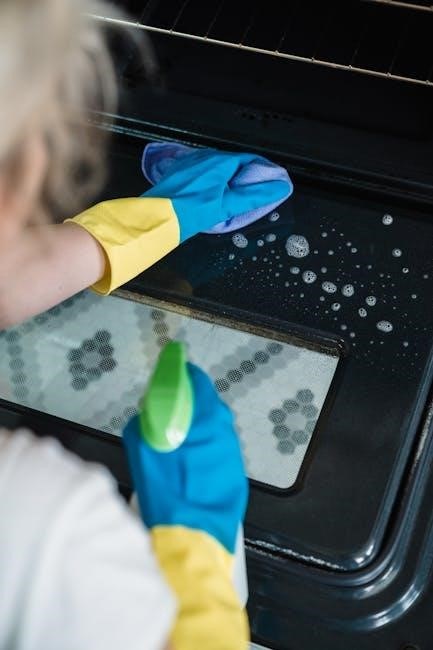
GE oven manuals emphasize the importance of wiping up any loose debris, food particles, or grease splatters from the oven floor before running the Self-Clean cycle.
This preventative step minimizes smoke and odors during the high-temperature cleaning process. Large accumulations of food can smolder and create unpleasant smells, potentially triggering the smoke alarm.
A quick wipe-down with a damp cloth ensures a more efficient clean and a fresher-smelling kitchen, as detailed in your GE appliance’s instruction manual.
Ventilation Requirements
GE self-cleaning oven manuals strongly advise adequate ventilation during the Self-Clean cycle, as the high temperatures can release fumes.
Open windows or use the oven’s ventilation system to ensure proper airflow. The fiberglass insulation emits a small amount of carbon monoxide during the process.
Proper ventilation minimizes exposure and maintains indoor air quality, as outlined in the safety instructions within your GE appliance’s manual. This precaution is crucial for a safe cleaning experience.
Running the Self-Clean Cycle
GE oven manuals detail selecting the Self-Clean option, cycle duration, and temperature settings for effective cleaning, as well as control panel locking.
Follow the instructions to initiate the cycle, ensuring the oven is properly prepared for optimal results and safe operation.
Selecting the Self-Clean Cycle Option
GE oven manuals clearly illustrate how to activate the Self-Clean cycle, typically accessed through the control panel. Press the “Self Clean” button, and the display will prompt you to choose a clean level – Light, Normal, or Heavy – depending on the oven’s soil level.
Some models offer a timed clean option, allowing you to set a specific duration. Confirm your selection, and the oven will automatically begin the cleaning process, locking the door for safety. Refer to your specific model’s manual for detailed step-by-step instructions.
Cycle Duration and Temperature
GE self-clean cycles typically range from 2 to 4 hours, depending on the selected clean level and model. During the cycle, the oven heats to extremely high temperatures, often exceeding 880°F (470°C), to burn off food residue.
Your oven’s manual will specify the exact temperature and duration for each setting. The manual also details how the oven automatically adjusts temperature to ensure effective cleaning while prioritizing safety and energy efficiency. Always consult your manual for precise details.
Locking the Control Panel
GE self-cleaning ovens feature a control panel lock that automatically engages when the self-clean cycle begins, preventing accidental interruption or changes to settings. This safety feature ensures the cycle completes uninterrupted.
The manual explains that the lock remains active during the high-temperature cleaning process and automatically disengages once the oven has cooled sufficiently. Attempting to operate the controls while locked may be impossible, as detailed in your GE oven’s instruction manual.
Safety Precautions During Self-Cleaning
GE manuals emphasize adequate ventilation to minimize potential fumes during the self-clean cycle, and advise keeping children and pets away from the oven.
Avoid oven use while self-cleaning, as high temperatures pose a burn risk, as detailed in the instruction manual for safe operation.
Potential Fumes and Ventilation
GE oven manuals explicitly state that the fiberglass insulation within self-cleaning ovens releases a minimal amount of carbon monoxide during the high-temperature cycle.
To minimize exposure to these fumes, proper ventilation is crucial; opening windows or using a range hood is strongly recommended. The manual advises against prolonged or excessive exposure, particularly for individuals with respiratory sensitivities.
It’s important to note that while the amount of carbon monoxide released is generally small, maintaining good airflow ensures a safe self-cleaning experience, as outlined in the instruction guide.
Keeping Children and Pets Away
GE oven manuals prioritize safety, emphasizing the absolute necessity of keeping children and pets away from the oven during the entire self-clean cycle.
The exterior surfaces reach extremely high temperatures, posing a significant burn risk. The automatic door locking feature, detailed in the instruction guide, prevents accidental opening, but constant supervision is still vital.
Ensure the kitchen is a restricted zone during operation, safeguarding both children and animals from potential harm, as clearly stated within the manual’s safety guidelines.
Avoiding Oven Use During the Cycle
GE oven manuals explicitly advise against any oven use while the self-clean cycle is in progress. Attempting to use the oven concurrently can cause damage to the appliance and potentially create a hazardous situation.
The high temperatures generated during self-cleaning necessitate a completely unoccupied oven space. The instruction guide stresses that interrupting the cycle could lead to incomplete cleaning or malfunction.
Prioritize safety by refraining from oven operation until the cycle concludes and the appliance has fully cooled, as detailed in the manual’s operating instructions.
Post-Self-Clean Procedures
GE manuals recommend allowing the oven to cool completely before wiping away any residual ash. Replace racks after cooling, ensuring a pristine, ready-to-use appliance.
Allowing the Oven to Cool
GE oven manuals strongly emphasize the importance of allowing the oven to cool completely after the self-clean cycle concludes. Do not attempt any cleaning or rack replacement while the oven is still hot.
The high temperatures reached during self-cleaning necessitate a thorough cooling period to prevent burns and ensure safety. This cooling process can take several hours, depending on the cycle duration and oven model. Patience is key for a safe and effective post-clean experience.
Wiping Away Ash Residue
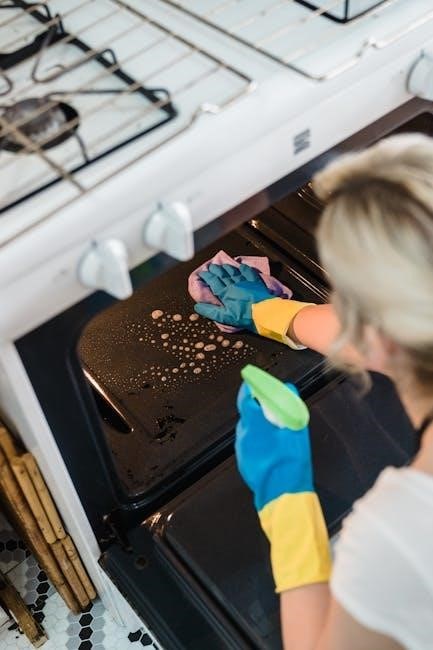
GE oven manuals instruct users to wipe away any remaining ash residue after the oven has fully cooled following the self-clean cycle. A damp cloth is typically sufficient for this task, removing the fine powdery substance left behind.
Avoid abrasive cleaners, as they could damage the oven’s interior. This step ensures a pristine oven interior and prepares it for your next culinary creation. Proper residue removal contributes to optimal oven performance and longevity.
Replacing Oven Racks
GE oven manuals clearly state that oven racks must be reinstalled after the self-clean cycle completes and the oven has cooled completely; Ensure the racks are securely positioned back into their designated slots within the oven cavity.
Proper rack placement is crucial for even cooking and optimal oven functionality. Refer to your manual for specific rack positioning guidance. Reinstalling racks restores the oven to its normal operating condition, ready for baking and roasting.
Troubleshooting Common Issues
GE manuals address issues like insufficient temperature or error codes during self-clean, offering solutions and guidance for smoke occurrences.
Consult your manual for specific error code meanings and recommended troubleshooting steps to resolve oven performance problems effectively.
Oven Not Reaching Cleaning Temperature
GE oven manuals detail that if the self-clean cycle fails to reach the necessary high temperature, several factors could be at play. First, verify the control panel is correctly locked, as this is a safety feature preventing cycle initiation.
Ensure no excessive debris remains inside, as large amounts can impede heating. Check the oven’s power supply and breaker; inconsistent power can disrupt the cycle. If the issue persists, consult the manual’s troubleshooting section for specific error codes or contact GE appliance support for assistance.
Error Codes and Their Meanings
GE self-cleaning oven manuals dedicate sections to deciphering error codes displayed on the control panel. These codes signal specific issues, ranging from temperature sensor malfunctions to door lock failures.
For example, a specific code might indicate a heating element problem, while another points to a communication error. The manual provides a comprehensive list, explaining each code’s meaning and suggesting potential solutions, from simple resets to professional service recommendations. Always refer to your model’s specific manual for accurate interpretations.
Smoke During the Self-Clean Cycle
GE oven manuals acknowledge that some smoke during the self-clean cycle is normal, stemming from food residue burning off at high temperatures. However, excessive smoke warrants attention.
The manual advises ensuring adequate ventilation, as fiberglass insulation releases minimal carbon monoxide. If smoke persists or becomes thick, immediately stop the cycle and consult the manual’s troubleshooting section. It may suggest a thorough pre-clean or professional inspection to address underlying issues.

Maintaining Your GE Self-Cleaning Oven
GE manuals recommend regular manual cleaning alongside self-clean cycles, detailing specific instructions for the oven door and control panel upkeep.
Consistent care, as outlined in the manual, preserves performance and extends the life of your GE self-cleaning oven.
Regular Manual Cleaning
GE oven manuals emphasize that even with the self-clean feature, routine manual cleaning is crucial for maintaining peak performance and preventing buildup.
Wipe up spills immediately, using a damp cloth and mild detergent; avoid abrasive cleaners that can damage the oven’s interior. The manual advises against harsh chemicals.
For light soil, a simple wipe-down after each use is sufficient. More frequent manual cleaning reduces the need for extended self-clean cycles, conserving energy and minimizing potential odors. Refer to your specific model’s manual for detailed instructions.
Cleaning the Oven Door
GE oven manuals detail specific instructions for cleaning the oven door, advising against abrasive cleaners that could scratch the glass surface.
Use a glass cleaner or a solution of mild soap and water, applying it with a soft cloth. For stubborn stains, a paste of baking soda and water can be gently applied and rinsed thoroughly.
Pay attention to the door’s edges and seals, ensuring they are clean to maintain a proper seal during cooking and self-clean cycles. Always consult your model’s manual for specific recommendations.
Cleaning the Control Panel
GE oven manuals recommend cleaning the control panel with a damp cloth and mild dish soap to avoid damaging the electronic components.
Avoid spraying liquids directly onto the panel; instead, apply the solution to the cloth first. Do not use abrasive cleaners, scouring pads, or harsh chemicals, as these can scratch or discolor the surface.
Ensure the oven is turned off before cleaning the control panel, and gently wipe away any spills or debris. Refer to your specific model’s manual for detailed guidance.

Understanding Self-Clean Cycle Types
GE manuals detail Light and Heavy Self-Clean options, varying in cycle duration and intensity for different cleaning needs.
Some models offer a Steam Clean option for lighter cleaning, utilizing moisture to loosen residue without high temperatures.
Light Self-Clean vs. Heavy Self-Clean
GE oven manuals explain that Light Self-Clean is ideal for routine maintenance, utilizing a shorter cycle and lower temperatures to address light soil and spills.
Conversely, Heavy Self-Clean tackles baked-on grease and stubborn residue, employing a longer, high-temperature cycle for a more thorough cleaning.
The manual advises selecting the appropriate cycle based on the oven’s condition; Heavy Self-Clean is recommended for infrequently cleaned ovens or those with significant buildup.
Always consult your specific model’s manual for precise cycle durations and recommended usage guidelines to ensure optimal cleaning and oven longevity.
Steam Clean Option (if available)
Certain GE ovens feature a Steam Clean option, detailed in the manual, offering a quicker, gentler cleaning method for light messes and spills.
This cycle utilizes water and heat to loosen food residue, requiring minimal scrubbing and avoiding the high temperatures of the Self-Clean cycle.
The manual instructs users to pour water into the oven floor before initiating the Steam Clean, typically a 20-30 minute process.
It’s an excellent choice for frequent, light cleaning, complementing the more intensive Self-Clean function when needed, as outlined in your GE oven’s manual.
Advanced Features & Settings
GE oven manuals detail features like Delay Start for Self-Clean and customizable cleaning preferences, enhancing user control and convenience.
The SmrtHQ app integration, explained in the manual, allows remote monitoring and control of your GE oven, including cleaning cycles.
Delay Start for Self-Clean
GE oven manuals explain the Delay Start option allows scheduling the Self-Clean cycle to begin at a more convenient time, like overnight. This feature is accessed through the control panel, setting a delay duration in hours.
The manual emphasizes ensuring the oven is empty and prepared before setting the delay, as the cycle will initiate automatically at the programmed time. This provides flexibility and avoids interrupting daily routines during the high-temperature cleaning process. Refer to your specific model’s manual for detailed steps.
Customizing Cleaning Preferences
GE oven manuals detail options for tailoring the Self-Clean cycle to your needs, often including choices between Light and Heavy Clean settings. The manual explains Light Clean is for lighter soil, while Heavy Clean tackles tougher baked-on messes.
Some models offer adjustable cycle durations, allowing you to fine-tune the cleaning intensity. Always consult your specific model’s manual for available customization options and recommended settings based on the level of oven soiling for optimal results.

GE SmartHQ App Integration
Download the SmartHQ app and follow onscreen instructions to connect your GE oven for remote monitoring and control of features, including Self-Clean.
The app provides convenient access to oven settings and status updates, enhancing your cleaning experience and overall appliance management.
Connecting Your Oven to the App
To connect your GE oven to the SmartHQ app, begin by downloading the application from your device’s app store. Once installed, create an account or log in if you already have one. Ensure your oven is connected to a 2.4 GHz Wi-Fi network.
Within the app, select “Add Appliance” and follow the onscreen instructions. The app will guide you through the process of pairing your oven, which may involve entering a pairing code displayed on the oven’s control panel. Successful connection enables remote control and monitoring.
Remote Monitoring and Control
Once connected to the SmartHQ app, remotely monitor your GE oven’s status, including current temperature and cycle progress. Initiate or pause the self-clean cycle from anywhere with an internet connection, offering unparalleled convenience.
Receive notifications regarding cycle completion or potential issues. The app allows for preheating the oven remotely, ensuring it’s ready when you are. Explore advanced settings and customize preferences directly through the intuitive app interface for a seamless experience.

Self-Cleaning Oven Safety Features
GE self-cleaning ovens incorporate an automatic door lock during the cycle, and temperature sensors ensure safe operation, as detailed in the manual.
Automatic Door Lock
GE self-cleaning ovens feature an automatic door locking system, a crucial safety component detailed in your owner’s manual. This lock engages before the high-temperature self-clean cycle begins, preventing accidental opening during operation.
The manual explicitly states the door remains locked until the oven cools to a safe temperature, ensuring no exposure to extreme heat. Do not attempt to force the door open; this could damage the locking mechanism. The lock disengages automatically when it’s safe to open.
Temperature Sensors
GE self-cleaning ovens utilize sophisticated temperature sensors, as explained in the owner’s manual, to precisely monitor and regulate the internal heat during the self-clean cycle. These sensors ensure the oven reaches and maintains the necessary high temperatures for effective cleaning.
The manual details how these sensors contribute to safety by preventing overheating. If a sensor detects a malfunction, the cycle may automatically terminate, and an error code will display. Regular maintenance, as outlined in the manual, helps maintain sensor accuracy.
Environmental Considerations
GE manuals address energy use during self-clean, and minimizing fumes/emissions is discussed. Venting is key, as noted in safety instructions.
Energy Consumption During Self-Clean
GE oven manuals acknowledge the self-clean cycle’s higher energy usage due to extended high temperatures. The duration varies based on the selected cycle – light, heavy, or steam clean (if equipped).
Users should be aware that this process consumes significantly more electricity than standard baking. Manuals don’t typically provide precise kilowatt-hour figures, but emphasize completing the cycle during off-peak hours if possible to reduce strain on the electrical grid and potentially lower costs.
Consider the environmental impact and plan accordingly.
Minimizing Fumes and Emissions
GE oven manuals address potential fumes during the self-clean cycle, stemming from food residue burning off. Proper ventilation is crucial; open windows or use the range hood to dissipate odors.
The manuals state that fiberglass insulation releases minimal carbon monoxide, but adequate ventilation remains vital. Removing racks and thoroughly wiping loose debris beforehand significantly reduces smoke and smells.
Prioritize a well-ventilated kitchen for a cleaner, healthier self-clean experience.