US Navy Diving Manual: A Comprehensive Article Plan (as of 04/13/2026)
Recent data analysis, mirroring World of Warcraft’s tuning process, informs iterative improvements to the manual, addressing outliers and ensuring optimal diver safety protocols.
The US Navy Diving Manual stands as the definitive guide for all naval diving operations, encompassing decades of accumulated experience and rigorous scientific research. Much like the continuous tuning observed in World of Warcraft’s max-level gameplay, this manual undergoes regular revisions. These updates incorporate lessons learned from real-world missions, advancements in diving technology, and evolving safety standards. It serves as a critical resource for both novice and experienced divers, detailing procedures, equipment, and emergency protocols. The manual’s comprehensive nature ensures the Navy maintains its position as a leader in underwater expertise, fostering a culture of safety and operational excellence.
II. Historical Context of Navy Diving
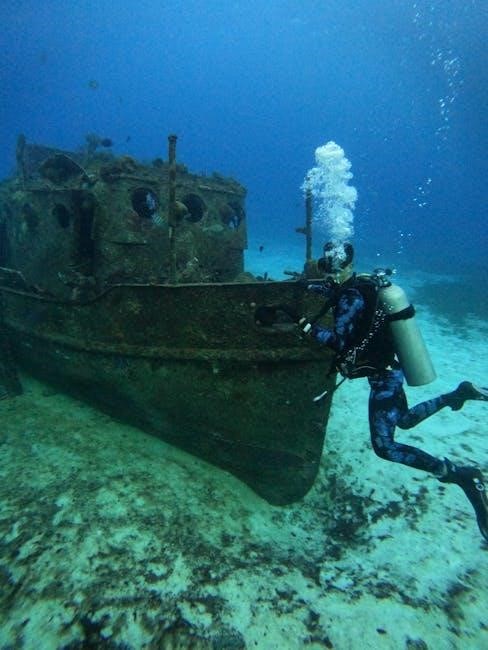
The history of US Navy diving mirrors the iterative development seen in games like World of Warcraft, evolving from rudimentary techniques to sophisticated modern practices. Early diving relied on cumbersome suits and limited air supplies, progressing through advancements in surface-supplied systems and, eventually, SCUBA. Wartime demands consistently drove innovation, particularly during WWII and the Cold War. Each era presented unique challenges, shaping the manual’s content and emphasizing the importance of adaptability and continuous improvement, much like balancing gameplay.
III. Core Principles of Underwater Physiology
Understanding underwater physiology is paramount, akin to mastering game mechanics in World of Warcraft for optimal performance. The manual details how pressure impacts the human body, focusing on Boyle’s, Dalton’s, and Henry’s gas laws. It explores decompression theory, nitrogen narcosis, and oxygen toxicity, crucial for safe dive planning. Physiological responses necessitate meticulous gas management and adherence to established dive profiles, mirroring strategic resource allocation in gameplay.
A; Pressure and its Effects on the Human Body
Like adapting to challenging raid encounters in World of Warcraft, divers must understand pressure’s physiological impact. Increased ambient pressure compresses gases within the body, affecting air spaces and tissue solubility. This section details barotrauma risks – ears, sinuses, lungs – and countermeasures. It explains how pressure alters gas volumes, impacting buoyancy and requiring precise control, mirroring strategic positioning during combat.
B. Gas Laws Governing Diving (Boyle’s, Dalton’s, Henry’s)
Similar to optimizing character builds in World of Warcraft, understanding gas laws is fundamental. Boyle’s Law explains volume/pressure relationships, crucial for buoyancy control. Dalton’s Law details partial pressures of gases in mixtures, impacting nitrogen narcosis. Henry’s Law governs gas absorption into tissues, dictating decompression schedules. Mastery of these principles, like raid mechanics, ensures safe and effective underwater operations.
C. Decompression Theory and Nitrogen Narcosis
Just as World of Warcraft players manage cooldowns, divers must manage nitrogen absorption. Decompression theory dictates controlled ascent rates to prevent bubble formation, mirroring strategic ability usage. Nitrogen narcosis, akin to a debuff, impairs judgment with depth. Understanding these effects, and utilizing Navy dive tables – or modern software – is paramount for mitigating risks and ensuring mission success.
IV. Diving Equipment – A Detailed Overview
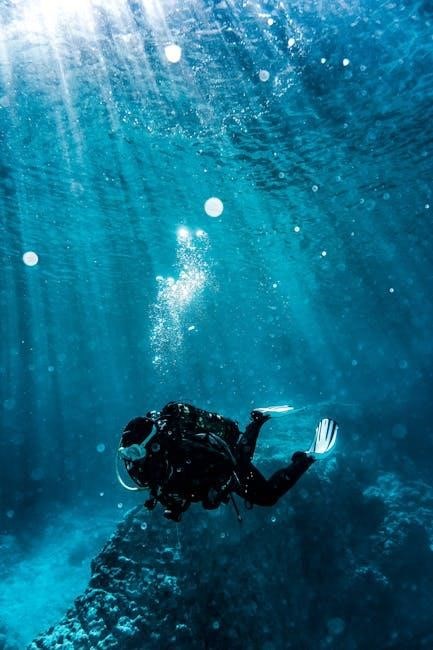
Similar to equipping characters in World of Warcraft, Navy divers rely on specialized gear. This includes SCUBA systems, surface-supplied diving, and advanced rebreathers. Essential components – masks, fins, and exposure suits – provide life support and protection. Detailed examination of each system’s functionality, maintenance, and limitations is crucial for safe and effective underwater operations.
A. SCUBA Gear: Components and Functionality
Much like character builds in World of Warcraft require specific itemization, SCUBA gear demands understanding of each component. This includes regulators, buoyancy compensators, cylinders, and instrumentation. Functionality focuses on air delivery, buoyancy control, and monitoring depth/pressure. Proper assembly, pre-dive checks, and emergency procedures are paramount for diver safety and mission success.
B. Surface Supplied Diving Systems (SSDS)
Similar to a raid group’s reliance on coordinated support in World of Warcraft, SSDS provides divers with a continuous air supply from the surface. Key components include the umbilical, diving helmet, and control panel. SSDS allows for extended bottom times and greater operational flexibility, crucial for salvage and construction tasks. Thorough communication protocols and redundancy systems are essential for safe operation.
C. Rebreathers: Closed and Semi-Closed Circuit Systems
Echoing the strategic resource management in World of Warcraft, rebreathers recycle exhaled gas, extending dive duration and reducing bubble signatures. Closed-circuit rebreathers completely contain gas, while semi-closed systems vent excess. These systems demand rigorous training due to their complexity and potential hazards. Monitoring oxygen partial pressure and managing carbon dioxide buildup are critical for diver safety.
D. Diving Masks, Fins, and Exposure Suits
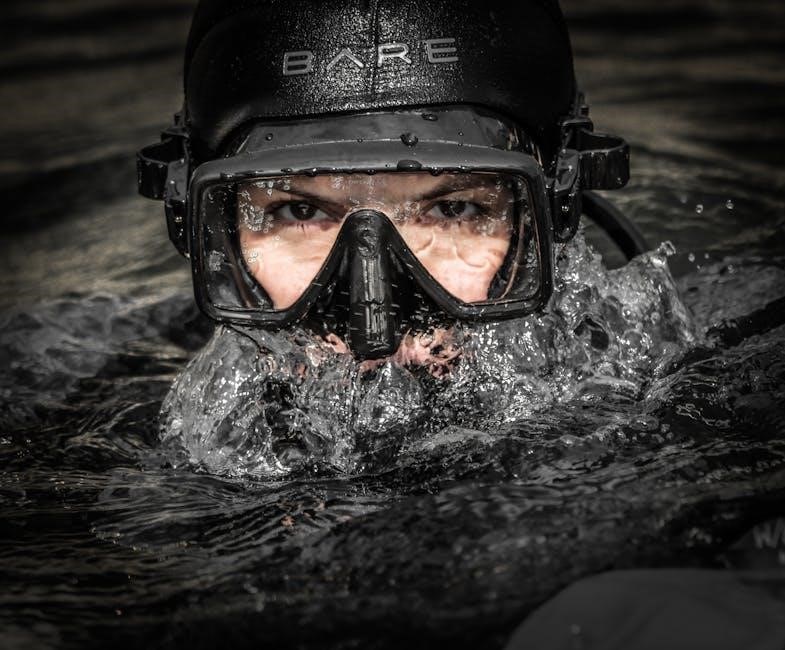
Similar to character gear optimization in World of Warcraft, proper equipment is paramount. Diving masks provide clear underwater vision, while fins enhance propulsion efficiency. Exposure suits – wetsuits or drysuits – regulate body temperature in varying water conditions. Suit selection depends on thermal protection needs and mission parameters, ensuring diver comfort and preventing hypothermia during extended operations.
V. Dive Planning and Procedures
Echoing the strategic preparation in World of Warcraft raids, meticulous dive planning is crucial. This includes comprehensive pre-dive checks, thorough risk assessments, and detailed gas planning based on anticipated consumption rates. Contingency plans for emergencies are essential, covering scenarios like equipment failure or unexpected environmental changes, ensuring mission success and diver safety.
A. Pre-Dive Checks and Risk Assessment
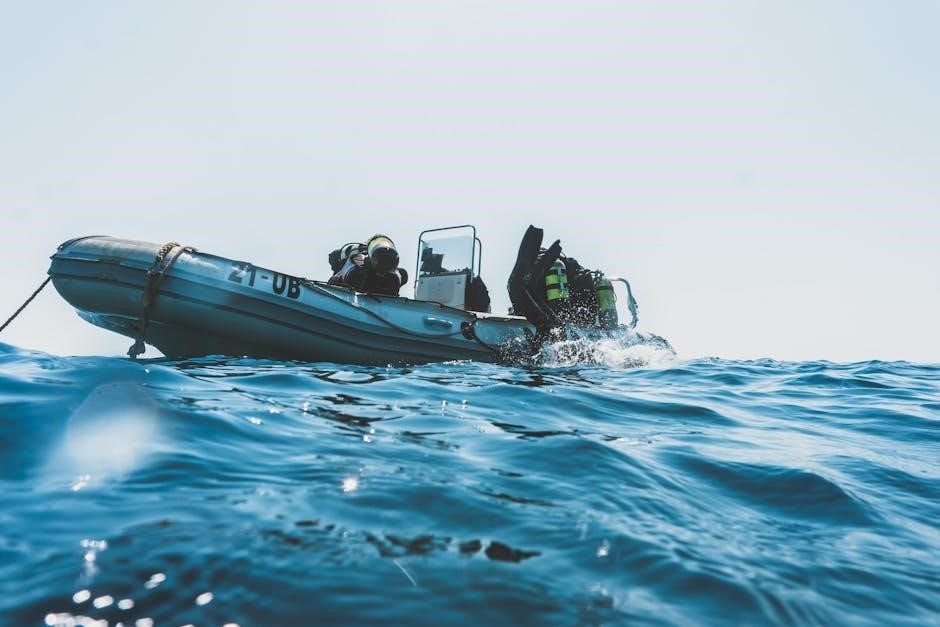
Similar to coordinating roles before a World of Warcraft dungeon, pre-dive checks are systematic and exhaustive. They encompass equipment functionality verification, buddy checks, and a detailed environmental assessment. Risk assessment identifies potential hazards – currents, visibility, marine life – and establishes mitigation strategies, prioritizing diver safety and operational effectiveness before entering the underwater environment.
B. Gas Planning and Consumption Rates
Analogous to resource management in World of Warcraft, meticulous gas planning is crucial. This involves calculating gas requirements based on dive depth, duration, and anticipated exertion levels. Divers must accurately estimate their Surface Air Consumption (SAC) rate, factoring in individual physiology and environmental conditions, to ensure sufficient reserves for ascent and emergencies, preventing critical situations.
C. Emergency Procedures and Contingency Planning
Similar to raid strategies in World of Warcraft, robust emergency plans are paramount. Navy divers must be proficient in procedures for lost buddy, equipment failure, rapid ascent, and decompression sickness. Contingency planning includes alternate dive profiles, emergency gas sources, and communication protocols, ensuring a swift and coordinated response to unforeseen circumstances, maximizing survivability.
VI. Underwater Communication Techniques
Effective communication, akin to coordinated teamwork in World of Warcraft raids, is vital for Navy divers. Standardized hand signals are the primary method, supplemented by underwater voice communication systems when feasible. Clear, concise signaling minimizes ambiguity, ensuring all team members understand instructions and report observations, fostering situational awareness and operational success during complex underwater tasks.
A. Hand Signals – Standard Navy Protocols
Like the clear communication needed in World of Warcraft forums, Navy divers rely on a precise, universally understood hand signal system. These signals cover everything from basic ascent/descent commands to equipment malfunction reports and warnings of potential hazards. Rigorous training ensures proficiency, enabling effective communication even in zero-visibility conditions, mirroring the collaborative spirit of online gaming communities.
B. Underwater Voice Communication Systems
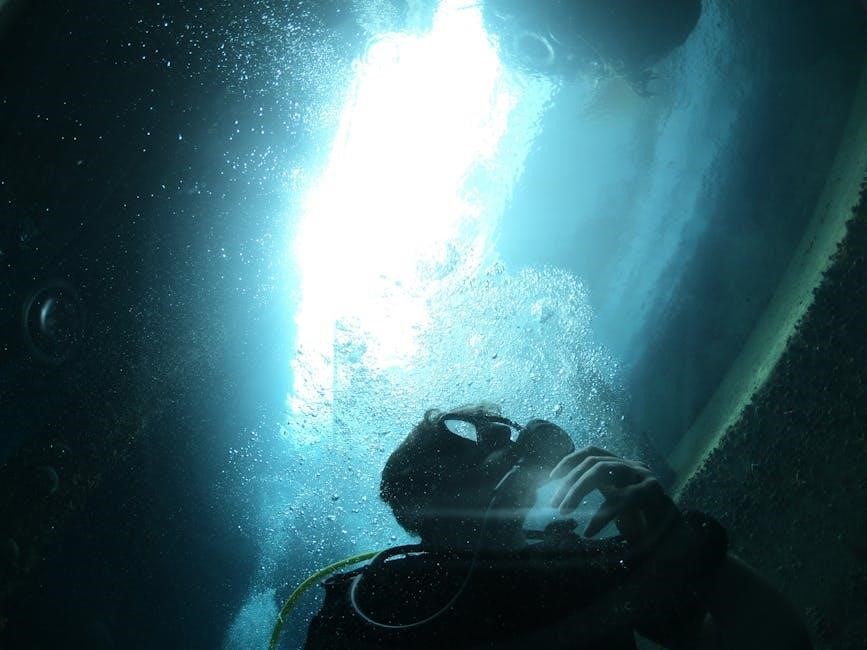
Complementing hand signals, advanced systems facilitate real-time voice communication, akin to voice chat in World of Warcraft. These include hard-wire systems for SSDS divers and wireless options for limited ranges. Clarity is paramount; systems undergo regular testing to ensure reliability in challenging underwater environments. Effective communication minimizes misunderstandings, enhancing team coordination and safety during complex operations.
VII. Diving Hazards and Mitigation Strategies
Proactive hazard identification, mirroring the iterative tuning in World of Warcraft, is crucial for diver safety. This section details decompression sickness, arterial gas embolism, and barotrauma – their causes, prevention, and treatment. Mitigation strategies include meticulous dive planning, adherence to established procedures, and prompt emergency response protocols. Recognizing and avoiding marine life hazards is also emphasized.
A. Decompression Sickness (DCS) – Prevention and Treatment
Similar to iterative game balancing, DCS prevention requires precise adherence to dive profiles and gas schedules. This section details nitrogen bubble formation, symptoms, and the importance of slow ascent rates. Treatment protocols, including recompression therapy utilizing hyperbaric chambers, are outlined. Early recognition and prompt intervention, mirroring rapid response systems, are vital for positive outcomes.
B. Arterial Gas Embolism (AGE) – Recognition and Response
AGE, a critical emergency, demands swift action, akin to addressing critical game exploits. This section covers the causes – typically lung over-expansion – and the neurological symptoms indicative of gas bubbles entering the circulatory system. Immediate administration of 100% oxygen is paramount, followed by rapid transport to a hyperbaric chamber for recompression therapy, mirroring a prioritized system fix.
C. Barotrauma – Causes and Management
Barotrauma, stemming from pressure differentials, requires careful management, much like balancing a complex game environment. This section details sinus, ear, and lung barotrauma, outlining preventative measures like proper equalization techniques. Treatment ranges from decongestants and analgesics to, in severe cases, hyperbaric oxygen therapy – a focused ‘tuning’ of the body’s pressure systems, ensuring optimal function and swift recovery.
D. Marine Life Hazards – Identification and Avoidance
Navigating underwater ecosystems demands awareness, akin to understanding a game’s complex terrain and enemy patterns. This section details identifying venomous fish, jellyfish, and aggressive marine species. Avoidance strategies emphasize respecting marine life, maintaining situational awareness, and utilizing appropriate protective gear. Reporting encounters contributes to a collective ‘knowledge base’, improving safety for all divers, mirroring community feedback loops.
VIII. Underwater Navigation and Orientation
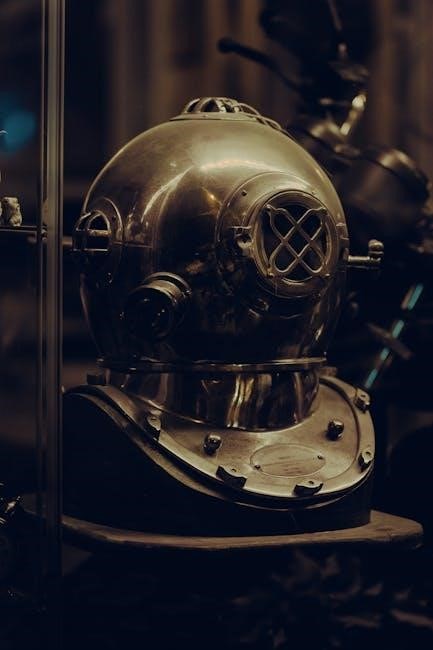
Effective underwater navigation, like mastering a World of Warcraft raid, requires precision and teamwork. This section covers natural navigation using light, currents, and seabed features. Detailed instruction on compass and depth gauge usage ensures accurate course plotting and depth control. Maintaining orientation prevents disorientation, crucial for mission success and safe returns, mirroring strategic map awareness.
A. Natural Navigation Techniques
Similar to utilizing environmental cues in a complex game world, natural navigation relies on observing underwater features. This includes interpreting light penetration, current direction, seabed contours, and marine life distribution. Divers learn to recognize consistent patterns, establishing a mental map for orientation, much like memorizing a World of Warcraft dungeon layout for efficient traversal.
B. Compass and Depth Gauge Usage
Essential tools, akin to a player’s interface in a game, the compass and depth gauge provide critical data. Divers master precise compass headings, accounting for declination and current drift, mirroring strategic map reading. Depth gauge monitoring prevents exceeding safe limits, analogous to managing character health. Regular calibration and redundancy are stressed, ensuring reliable information underwater.
IX. Salvage Diving Operations
Salvage operations demand meticulous planning, similar to coordinating a raid in a complex game environment. Techniques encompass underwater lifting with specialized rigging, precise cutting utilizing exothermic welds, and recovery of objects from varied depths. Risk assessment focuses on structural integrity and potential hazards, mirroring strategic resource management. Safety protocols prioritize diver and asset preservation.
A. Principles of Underwater Lifting and Recovery
Effective lifting requires understanding buoyancy, load distribution, and rigging techniques, akin to optimizing character builds for maximum efficiency. Utilizing lift bags, cranes, and specialized slings, divers carefully raise objects, accounting for water resistance and potential shifts. Recovery prioritizes object stabilization and controlled ascent, minimizing damage. Detailed pre-dive planning, mirroring raid strategies, is crucial for success.
B. Cutting and Welding Underwater
Underwater cutting and welding, like fine-tuning game mechanics, demands specialized skills and equipment. Employing exothermic cutting rods or specialized underwater welding techniques, divers modify structures or clear obstructions. Safety protocols are paramount, mitigating risks from electrical shock and visibility limitations. Precise execution, mirroring coordinated gameplay, ensures structural integrity and mission success.
X. Combat Diving Techniques
Similar to strategic gameplay in World of Warcraft, combat diving requires meticulous planning and execution. Stealth and infiltration methods prioritize minimizing detection, utilizing specialized equipment and techniques. Underwater demolitions, carefully calculated like raid strategies, target enemy infrastructure. Divers must maintain situational awareness, adapting to dynamic environments and potential threats, ensuring mission objectives are met effectively.
A. Stealth and Infiltration Methods
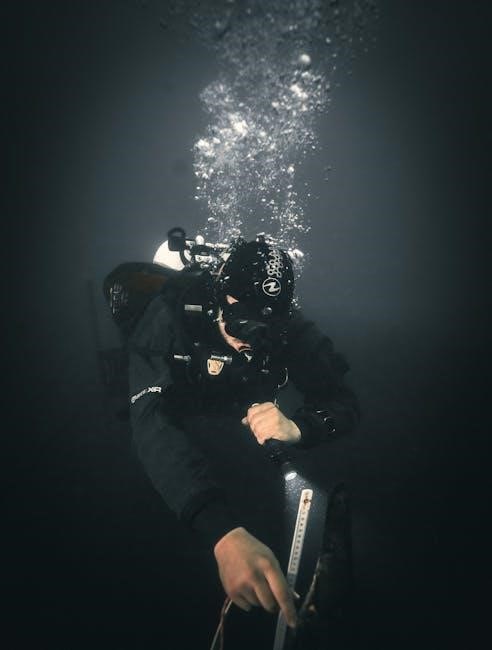
Echoing the coordinated approaches within World of Warcraft raids, successful infiltration demands precise teamwork and minimized noise discipline. Techniques include utilizing currents for silent movement, employing black-out gear, and mastering buoyancy control. Divers practice slow, deliberate movements, avoiding sonar detection. Careful route planning, considering seabed contours and potential obstacles, is paramount for undetected access.
B. Underwater Demolitions
Similar to strategic target prioritization in World of Warcraft, underwater demolitions require meticulous planning and precise execution. Navy divers employ various explosive charges, shaped for specific tasks – breaching obstacles or disabling structures. Safety protocols, including charge calculations and detonation timing, are critical. Divers utilize specialized cutting tools alongside explosives, minimizing collateral damage and ensuring mission success through controlled demolition techniques.
XI. Hyperbaric Medicine and Treatment
Echoing the iterative tuning observed in World of Warcraft, hyperbaric medicine constantly refines treatment protocols. Navy divers receive specialized training in recognizing and responding to diving-related injuries like decompression sickness and arterial gas embolism. Hyperbaric chambers simulate deep-sea pressure, facilitating oxygen delivery to tissues and accelerating recovery. Precise control of chamber pressure and oxygen concentration is paramount for effective treatment and patient safety.
A. Hyperbaric Chamber Operations
Similar to the dynamic adjustments in World of Warcraft, chamber operations demand meticulous monitoring and control. Procedures cover pre-treatment patient assessment, chamber pressurization/depressurization rates, and continuous physiological monitoring. Qualified personnel manage oxygen partial pressure, ensuring therapeutic benefits while mitigating risks like oxygen toxicity. Strict adherence to safety checklists and emergency protocols is crucial for successful hyperbaric treatments, mirroring a coordinated raid strategy;
B. Treatment Protocols for Diving-Related Injuries
Echoing the iterative tuning seen in World of Warcraft, treatment protocols are constantly refined based on evolving medical understanding. Protocols detail managing decompression sickness (DCS), arterial gas embolism (AGE), and barotrauma. Oxygen therapy, hydration, and careful monitoring are paramount. Treatment tables, analogous to game balancing, dictate precise pressure/time parameters. Rapid assessment and implementation of appropriate protocols are vital for positive patient outcomes.
XII. US Navy Dive Tables and Software
Similar to World of Warcraft’s ongoing adjustments, Navy dive tables and software undergo continuous refinement based on research and operational feedback. These tools calculate safe ascent profiles, considering depth, time, and gas mixtures. Software integrates these tables, offering real-time decompression calculations. Divers must understand the underlying principles, not solely rely on technology, mirroring a player’s strategic understanding of game mechanics.
XIII. Specialized Diving Operations
Echoing the diverse challenges in World of Warcraft, specialized Navy diving demands unique skills and equipment. Mixed gas diving (Heliox, Trimix) extends operational depths, while saturation diving enables prolonged underwater work. These operations require meticulous planning, advanced training, and robust contingency plans. Like mastering complex game builds, proficiency demands dedication and a thorough understanding of physiological effects.
A. Mixed Gas Diving (Heliox, Trimix)
Similar to optimizing character builds in World of Warcraft, mixed gas diving fine-tunes the breathing mixture for depth. Heliox (helium-oxygen) and Trimix (helium-oxygen-nitrogen) reduce nitrogen narcosis and oxygen toxicity at greater depths. Precise gas planning, considering partial pressures, is crucial. Specialized training and equipment are mandatory, mirroring the dedication needed for endgame content.
B. Saturation Diving – Principles and Procedures
Like maintaining a consistent raid composition in World of Warcraft, saturation diving involves prolonged underwater habitation. Divers live in a pressurized environment, minimizing decompression time for repeated dives. This technique, used for deep salvage or construction, requires careful monitoring of gas mixtures and physiological effects. Precise procedures and dedicated support teams are essential for safety and mission success.
XIV. Dive Computer Technology and Usage
Similar to utilizing real-time data in World of Warcraft for optimal performance, dive computers provide crucial underwater information. These devices continuously monitor depth, time, and gas mixtures, calculating decompression obligations. Proper training is vital for interpreting data and responding to alerts. Understanding computer limitations and performing regular maintenance ensures reliable operation during complex dives.
XV. Maintaining and Inspecting Diving Equipment
Just as consistent tuning is essential in World of Warcraft, meticulous equipment upkeep is paramount for diver safety. Regular inspections identify wear and tear, preventing failures. This includes checking regulators, buoyancy compensators, and cylinders. Following manufacturer guidelines and maintaining detailed logs ensures longevity and reliability. Proper storage and cleaning are also critical components of a comprehensive maintenance program.
XVI. The Role of the Navy Diver in Modern Warfare
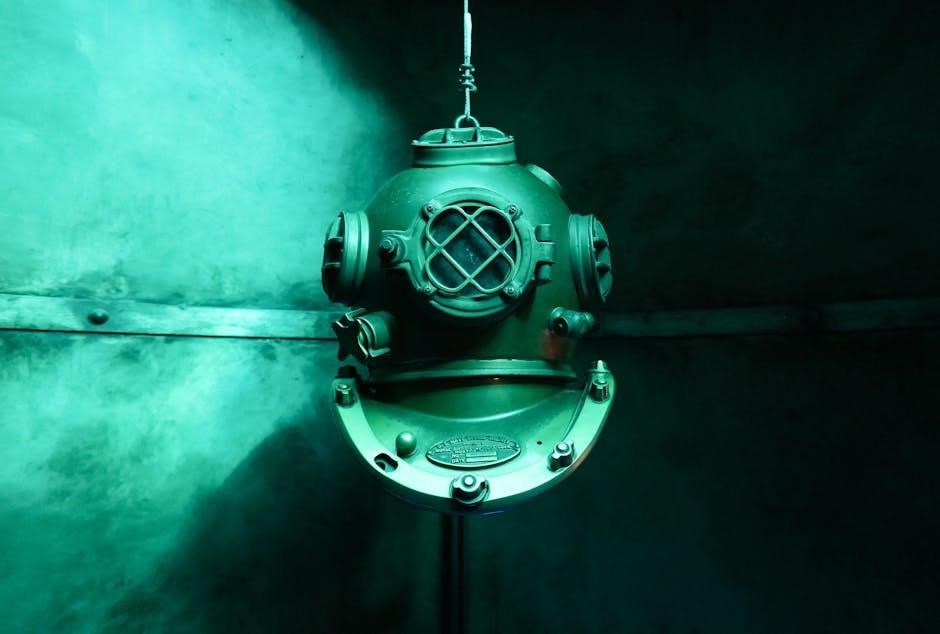
Similar to adapting strategies in World of Warcraft, Navy divers continually evolve their skillset to meet modern threats. They perform critical tasks like harbor clearance, underwater repairs, and salvage operations. Divers also support special forces with covert infiltration and explosive ordnance disposal. Their adaptability and specialized training are invaluable assets in any maritime conflict scenario.
XVII. Training and Qualification Standards for Navy Divers
Echoing the rigorous progression in World of Warcraft, Navy diver training is exceptionally demanding. It begins with a challenging basic course, followed by specialized training in surface warfare, salvage, and combat diving. Qualification requires mastery of underwater skills, physiology, and emergency procedures. Continuous evaluation and advanced courses ensure divers maintain peak performance and readiness for diverse operational environments.
XVIII. Legal and Regulatory Aspects of Navy Diving
Similar to the evolving rules within World of Warcraft, Navy diving operates under strict legal frameworks. These encompass domestic and international regulations, governing safety, environmental protection, and operational procedures. Adherence to these laws, alongside Navy directives, is paramount. Divers must understand liability, reporting requirements, and the legal implications of underwater operations, ensuring responsible conduct.
XIX. Future Trends in Navy Diving Technology
Echoing the continuous tuning of World of Warcraft, Navy diving anticipates advancements in robotics and AI. Expect enhanced autonomous underwater vehicles (AUVs), improved sensor technology, and sophisticated dive computers. Research focuses on closed-circuit rebreathers with extended endurance, and innovative materials for exposure suits. These developments aim to increase safety, efficiency, and operational capabilities.
XX. Case Studies of Significant Navy Diving Missions
Similar to analyzing gameplay data in World of Warcraft, detailed mission reviews are crucial. This section examines historical Navy diving operations – salvage, rescue, and underwater construction – highlighting challenges and successes. Case studies will analyze equipment performance, procedural effectiveness, and lessons learned, fostering continuous improvement in training and operational protocols for future deployments.
XXI. Resources for Further Learning (Navy Publications, Websites)
Echoing the World of Warcraft forums’ community support, this section lists essential resources. It includes official Navy diving manuals, technical reports, and links to relevant websites offering supplemental information. Access to these materials facilitates ongoing professional development and ensures divers remain current with evolving best practices and technological advancements in underwater operations.
XXII. Glossary of Diving Terms
Similar to a World of Warcraft game guide defining complex mechanics, this glossary provides clear definitions for specialized terminology used throughout the manual. It covers physiological effects, equipment names, procedural steps, and emergency protocols. This ensures consistent understanding and effective communication amongst all Navy divers, promoting safety and operational efficiency underwater.
XXIII. Appendices: Dive Tables, Emergency Contact Information
Functioning like readily accessible resources in an online game forum, these appendices contain critical data for dive planning and emergency response. Included are updated US Navy dive tables, decompression schedules, and a comprehensive list of emergency contact numbers – both medical and logistical. This ensures divers have immediate access to vital information, mirroring quick access to support within a gaming community.